
Cellulite Treatment: Sculptra, Subcision and Collagen Stimulation
Cellulite is an extremely common concern affecting the thighs, buttocks and other areas of the body. Rather than being caused by one single factor, its appearance can be influenced by fibrous bands beneath the skin, skin quality, collagen changes and the underlying tissue structure. For this reason, improving cellulite often requires an individualised approach. Treatments such as subcision, alongside collagen-stimulating approaches including Sculptra, may be considered depending on the type and severity of cellulite and the individual patient’s anatomy.
What Causes Cellulite?
Cellulite develops through an interaction between the skin, underlying fat and the fibrous connective tissue bands known as septae. These bands connect the skin to deeper tissue and, when they create areas of tethering, can pull the skin downward while surrounding tissue pushes upward. This contributes to the characteristic dimpling and uneven surface associated with cellulite.
Genetics, hormonal influences, skin thickness, collagen changes, ageing and changes in skin elasticity can all influence how visible cellulite becomes. Importantly, cellulite is not simply a sign of excess body fat and can be present in people across a wide range of body shapes and sizes.
Because different structural factors may contribute to cellulite, treatment should be tailored to what is actually creating the visible concern rather than applying the same treatment approach to every patient.
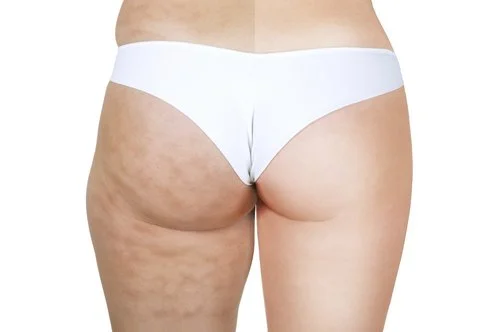
Close-up image showing the characteristic dimpling and uneven skin texture associated with cellulite across the buttocks and upper thighs.
How Does Subcision Treat Cellulite?
Subcision is a technique designed to address the structural tethering that can contribute to certain cellulite dimples. During treatment, selected fibrous bands beneath the skin are carefully released, reducing the downward pull responsible for some of the visible depressions on the skin surface.
This makes subcision particularly relevant when cellulite has a clearly tethered or dimpled component. However, not every area of uneven skin is caused by fibrous tethering. Skin laxity, reduced collagen support, tissue quality and other anatomical factors may also contribute to the overall appearance.
For this reason, careful assessment is important. In appropriately selected patients, subcision may form one part of a broader treatment strategy rather than being viewed as a universal treatment for every type of cellulite.
Sculptra and Collagen Stimulation for Cellulite
Sculptra is a collagen-stimulating treatment containing poly-L-lactic acid (PLLA). Rather than providing an immediate volumising effect alone, PLLA works gradually by stimulating the body’s own collagen production, with changes developing progressively over time.
In the context of cellulite, collagen stimulation may be considered when reduced skin quality, laxity or loss of structural support contributes to an uneven skin surface. By supporting collagen production within the treated area, the aim is to gradually improve skin quality, firmness and the appearance of selected areas of textural irregularity.
Sculptra does not directly release the fibrous bands responsible for tethered cellulite dimples. This is why assessment of the underlying anatomy is important: some patients may have predominantly tethered cellulite, while others may have a combination of tethering, skin laxity and reduced dermal support requiring a more comprehensive approach.
Why combine Subcision and Sculptra?
Cellulite can involve more than one anatomical factor, which is why a combination approach may be considered in selected patients. Subcision and collagen stimulation target different components of the concern rather than performing the same role.
Subcision is used to release selected fibrous bands that tether the skin downward and contribute to deeper cellulite dimples. Sculptra, containing poly-L-lactic acid (PLLA), works differently by stimulating gradual collagen production and may be considered where skin quality, laxity and reduced structural support are also contributing to the appearance of cellulite.
When clinically appropriate, addressing both the underlying tethering and the quality of the overlying skin may provide a more comprehensive approach than focusing on either component alone. Treatment selection, sequencing and the number of sessions required will vary according to the individual’s anatomy, degree of cellulite and skin quality.
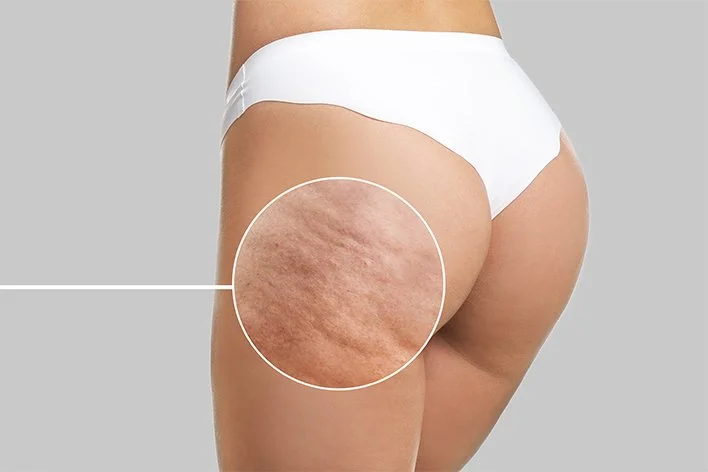
Close-up view highlighting cellulite-related dimpling and textural irregularity of the skin, illustrating the structural changes discussed in this article.
Who may be suitable for Cellulite Treatment?
Suitability for cellulite treatment depends on the underlying cause of the visible dimpling, the condition and quality of the skin, the degree of laxity and the individual’s treatment goals.
Patients with discrete tethered dimples may be considered for subcision, while those who also demonstrate reduced skin quality or structural support may require a broader treatment approach. Not every patient will be suitable for the same procedure or combination of treatments.
A comprehensive consultation and assessment are therefore important before developing a treatment plan. At Face to Face by Marjan in Leichhardt, Sydney, treatment planning is individualised according to anatomy, skin quality and the specific characteristics of the cellulite being treated.
What to Expect After Cellulite Treatment
What to expect following cellulite treatment will depend on the procedure performed and the extent of the area treated. Following subcision, temporary swelling, bruising, tenderness and localised discomfort can occur while the treated tissue heals.
Collagen-stimulating treatments such as Sculptra work gradually rather than producing their final effect immediately. Collagen remodelling develops over time, so changes in skin quality and texture may become progressively noticeable over the weeks and months following treatment.
Cellulite treatment should be approached with realistic expectations. The aim is generally to improve the appearance of dimpling, skin texture and overall skin quality rather than promise completely smooth or cellulite-free skin. The number and combination of treatments required varies between individuals.
Frequently Asked Questions About Cellulite Treatment
Does Sculptra help improve cellulite?
Sculptra is a poly-L-lactic acid (PLLA) collagen-stimulating treatment. In selected patients, collagen stimulation may help improve skin quality, firmness and textural irregularity that can contribute to the appearance of cellulite. However, cellulite has multiple causes, and Sculptra does not directly release the fibrous bands responsible for tethered dimples. This is why an individual assessment is important when determining the most appropriate treatment approach.
How Does Subcision help improve Cellulite?
Subcision is designed to address cellulite dimples caused by fibrous bands that tether the skin to deeper tissue. By carefully releasing selected bands beneath the skin, the downward pull contributing to the depression can be reduced. Subcision is most relevant for appropriately selected tethered dimples and may not address other contributors such as general skin laxity or reduced skin quality.
Can Sculptra and subcision be combined for cellulite?
In selected patients, subcision and Sculptra may be considered as part of a combined approach because they address different contributors to the appearance of cellulite. Subcision targets selected fibrous tethering beneath the skin, while Sculptra stimulates gradual collagen production and may help support skin quality and firmness. Whether one or both approaches are appropriate depends on the individual’s anatomy, skin quality and pattern of cellulite.
How many cellulite treatments will I need?
The number of treatments required varies between individuals and depends on the type and severity of cellulite, the degree of fibrous tethering, skin quality, laxity and the treatment approach selected. Some patients may benefit from a staged treatment plan rather than a single procedure. A consultation and assessment are required to determine an appropriate treatment plan and set realistic expectations.
Are cellulite treatment results permanent?
The longevity of cellulite treatment results varies depending on the underlying cause of the cellulite, the treatment performed, skin quality, ageing and individual factors. Releasing selected fibrous bands with subcision may provide longer-term improvement in appropriately selected dimples, while collagen stimulation develops gradually and changes over time. No treatment can guarantee permanent removal of cellulite, and maintenance or additional treatments may be recommended depending on the individual.
Ready to Discuss Your Cellulite Concerns?
Cellulite can have several contributing factors, which is why treatment should be tailored to the individual rather than approached with a one-size-fits-all solution. A comprehensive consultation allows me to assess the pattern of dimpling, skin quality, laxity and underlying tissue structure, and determine whether subcision, collagen stimulation with Sculptra, or a combination approach may be appropriate for you.
Book a consultation at Face to Face by Marjan in Leichhardt, Sydney to receive an individualised treatment plan.