
Loose & Crepey Skin on the Arms After Ageing or Weight Loss: What Can You Do?
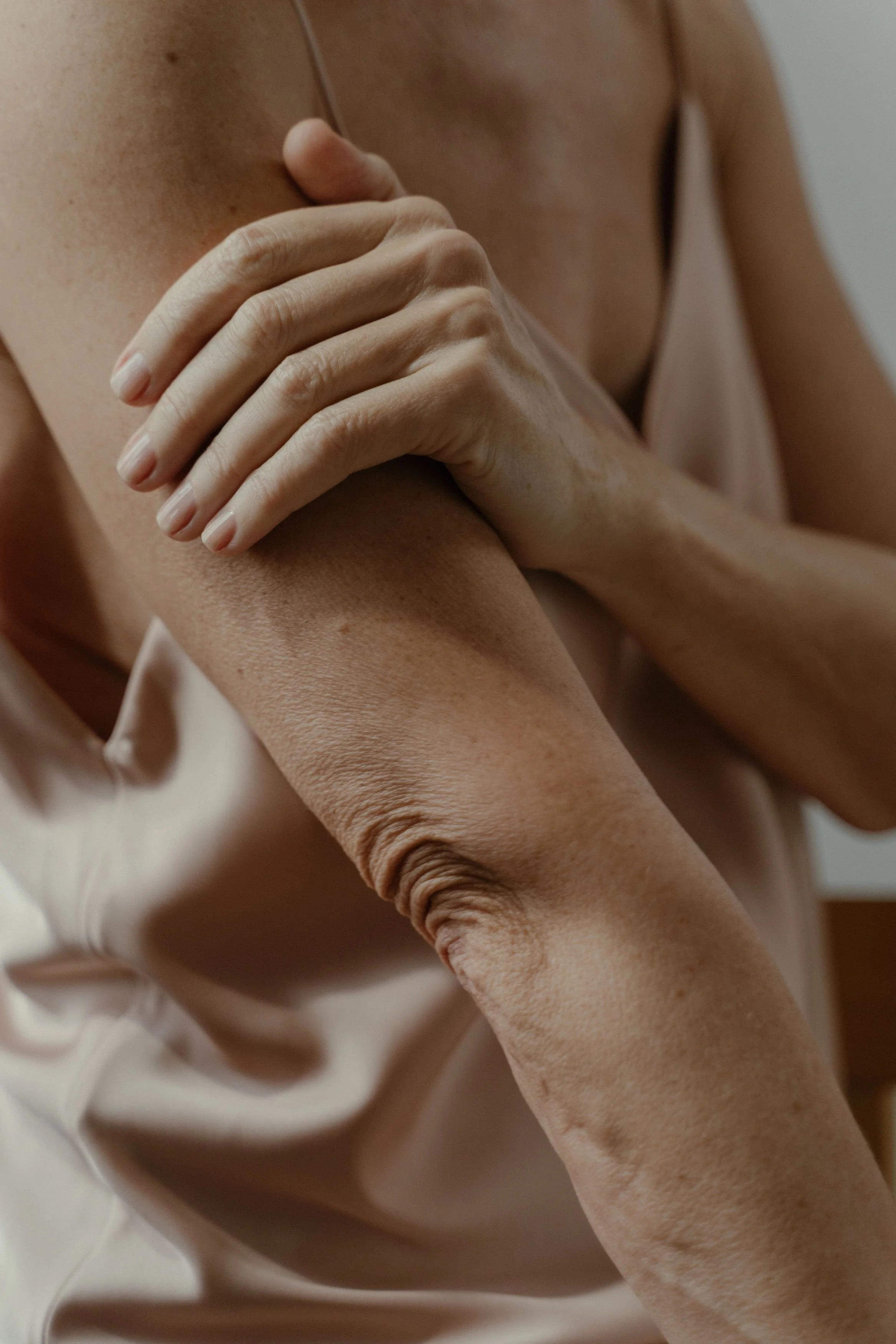
As we age, changes in collagen, elastin and the underlying support of the skin can become particularly noticeable on the upper arms. The skin may begin to look thinner, crepey or less firm — changes that can become even more apparent following significant or rapid weight loss.
With the increasing use of weight-loss medications, many people are also noticing changes in skin laxity after losing weight. While weight loss can have important health benefits, a reduction in underlying volume combined with age-related changes in skin elasticity can leave the arms looking looser or more crepey than before.
The good news is that there are non-surgical treatment options that may help improve skin quality, hydration and support collagen production.
Why Does Arm Skin Become Loose or Crepey?
As we age, our skin naturally produces less collagen and elastin — two important proteins that help maintain firmness, elasticity and structure. Over time, this can contribute to thinner, less resilient skin and the development of a loose or crepey appearance, particularly on areas such as the upper arms.
Changes in underlying fat and muscle, sun exposure and genetics can also influence how the skin ages. Significant or rapid weight loss may make these changes more noticeable, as the skin may not contract at the same rate as the reduction in underlying volume.
This has become an increasingly relevant concern for people experiencing substantial weight loss, including those using GLP-1 weight-loss medications. Treatment therefore needs to consider more than simply adding volume — the focus may include improving overall skin quality and supporting collagen and elastin production.
Treatment Options for Loose and Crepey Arm Skin
Treatment for loose or crepey skin on the arms should be tailored to the degree of skin laxity, skin quality, age and the amount of volume that has been lost.
Rather than simply adding volume, the aim of non-surgical treatment is often to improve the quality and structure of the skin. Depending on the individual, this may include skin boosters to improve hydration and skin quality, as well as collagen-stimulating treatments designed to support the skin’s own collagen and elastin production.
For some patients, a combination approach may be recommended, with treatments performed gradually over a series of sessions.
Skin Boosters for Crepey Arm Skin
Skin boosters are injectable treatments designed to improve skin hydration, texture and overall skin quality. Rather than being used to create volume or change the shape of the arms, they are placed strategically within the skin to support a smoother, more hydrated appearance.
They may be particularly useful for skin that appears thin, dry or crepey, including after weight loss. Depending on the individual, a series of treatments may be recommended, with results developing gradually.
collagen-stimulating treatment
Collagen-stimulating treatments, sometimes referred to as biostimulatory treatments, work differently from traditional dermal fillers. Rather than focusing primarily on adding volume, they are used to stimulate the body’s own collagen production over time.
On the upper arms, these treatments may be considered when there is loss of firmness, thinning skin or a crepey appearance associated with ageing or weight loss. The aim is gradual improvement in skin quality, firmness and structural support rather than an immediate change.
Results develop progressively as new collagen is produced, and more than one treatment session may be recommended depending on the degree of skin laxity and the individual treatment plan.
GLP1 Weight Loss Medications and Changes in Arm Skin
Significant weight loss can sometimes make loose or crepey skin on the arms more noticeable. This may occur whether weight loss is achieved through lifestyle changes, surgery or with the assistance of medications such as GLP-1 receptor agonists.
As body fat and underlying volume decrease, the skin may not always contract at the same rate. Age, genetics, sun exposure, the amount and speed of weight loss, and existing collagen and elastin levels can all influence how the skin responds.
For people who have experienced changes in arm skin following weight loss, treatment should be individualised. Non-surgical options may help improve skin quality and support collagen production, although they cannot replicate the degree of skin removal or tightening that may be achieved with surgery when significant excess skin is present.
How Many Treatments Will I Need?
The number of treatments required will depend on your skin quality, degree of laxity, age and treatment goals. Some skin-quality treatments are performed as a course, while collagen-stimulating treatments may require fewer sessions with results developing gradually over the following months.
During consultation, the arms can be assessed to determine which treatment — or combination of treatments — is most appropriate. A personalised treatment plan can then be created based on the condition of the skin and the level of improvement you are hoping to achieve.
Book a Consultation for Arm Skin Treatments in Leichhardt
If loose, crepey or thinning skin on your upper arms is concerning you, a consultation is the best place to start. At Face to Face by Marjan in Leichhardt, Sydney, your skin can be assessed and a personalised treatment plan discussed based on your individual concerns, skin quality and goals.
Treatment options may include skin boosters, collagen-stimulating treatments or a combination approach where appropriate. All treatments are discussed during consultation, including expected outcomes, potential risks, downtime and whether treatment is suitable for you.